language access
language support
multilingual workplaces
.jpg?width=1200&height=628&name=AI%20in%20translation%20(2).jpg)

Whenever a conversation turns to artificial intelligence (which is often), someone inevitably says, “AI can translate anything now, right?” It is an understandable assumption; machine translation has come a long way. But the truth is more nuanced. While AI has made translation faster, more scalable, and often more affordable, there is still a wide gap between what it can do and what we should let it do.
At Teneo Linguistics Company (TLC), we have been using technology in translation for decades. We work with AI-powered tools every day. But we have also learned where human expertise remains irreplaceable and why that distinction matters for organizations that cannot afford mistakes.
AI doesn’t think. It predicts.
When faced with ambiguous phrases, cultural references, or idiomatic expressions, it relies on probability, not understanding.
For example, “pending results” in a clinical context can mean awaiting lab results, but in a legal document it might mean subject to future action. A human linguist recognizes that difference instantly. An AI model might select the most common translation, not the contextually correct one.
The result can be a subtle but serious error that undermines meaning or compliance.
In regulated industries such as life sciences, legal, education, or government, translations carry weight far beyond words. A mistranslated phrase can trigger a compliance violation, invalidate a regulatory submission, or expose an organization to liability.
AI tools do not take responsibility for their output. Human experts do. This is why we issue Certificates of Accurate Translation. It is not a document we stamp and sign for formality. It is a legal commitment to stand by our work, even if that means testifying in court.
At TLC, every translation, no matter the process, always involves a human in the loop and passes through quality checks by subject matter experts who validate accuracy, tone, and compliance before delivery. That is the difference between machine-assisted and machine-dependent translation.
Language is never just information. It is identity, trust, and empathy.
AI may produce grammatically perfect sentences, but it often misses tone, nuance, and cultural resonance. In healthcare or community programs, the difference between eligible and qualified can change how a reader feels about being included or excluded.
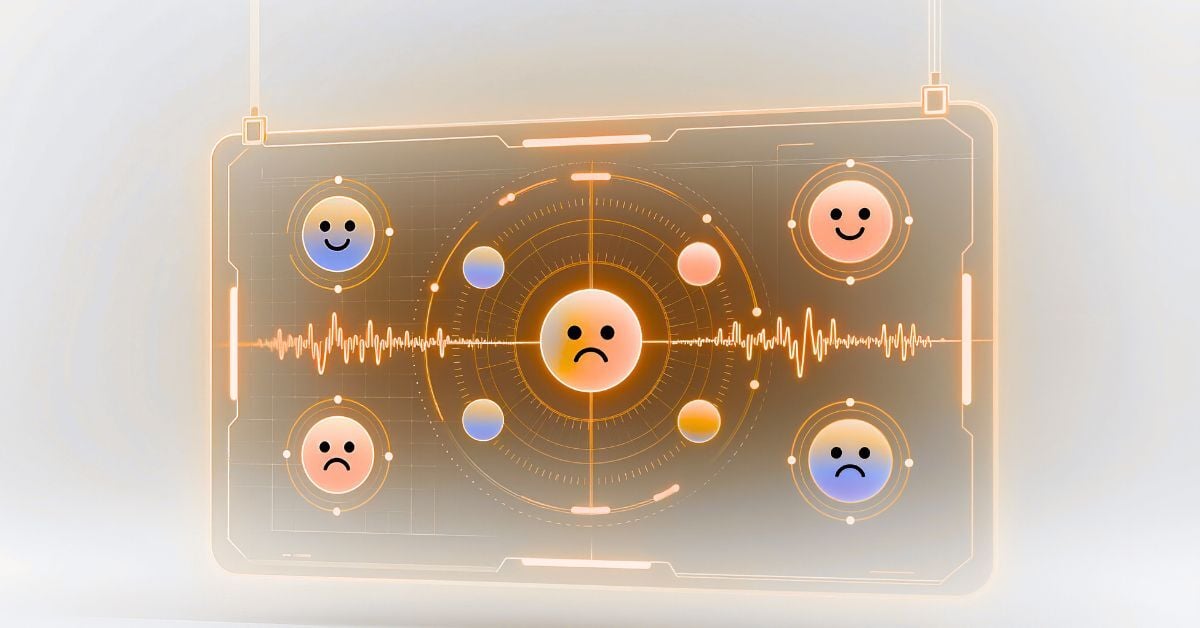
Humans intuitively recognize those sensitivities. AI does not feel; it predicts what sounds “correct.” In language access, “correct” is not always right.
Many publicly available AI translation tools store, learn from, and reuse user data, often without clear consent. In most cases, consent is automatic upon use. That poses real risks for organizations handling confidential or personally identifiable information.
Note for readers: Are you sure your employees do not default to using these tools without considering the implications?
At TLC, our ISO 27001-certified information security framework ensures that no data leaves our controlled environment. We use secure, trained engines and proprietary workflows to balance innovation with confidentiality.
In our world, privacy is not optional. It is required, by default, every time.
The most effective use of AI in translation is not automation. It is amplification.

Our linguists use AI to handle repetitive tasks, identify terminology patterns, and accelerate turnaround times. Then they do what AI cannot: apply judgment, refine nuance, and ensure that the message achieves its intended impact. Translation is not about replacing words. It is about delivering meaning.
AI is a powerful tool, but only when guided by skilled professionals who understand both language and context.
AI will continue to improve. So will our ability to integrate it responsibly. But human insight, empathy, and accountability remain irreplaceable.
At TLC, we believe the future of translation lies in combining the precision of AI with the integrity of human expertise. That is how we help our clients communicate clearly, inclusively, and compliantly across languages, cultures, and industries.