language access
language support
multilingual workplaces
.jpg?width=1200&height=628&name=AI%20in%20translation%20(1).jpg)

Whenever I tell someone what I do these days, the first question I usually get ranges from “How is AI affecting you?” on the lower end of the drama scale to “Has AI put you out of work yet?” on the higher end.
I get it. AI seems to be everywhere. And depending on which AI-generated list of “jobs most likely to be replaced by AI” you read, translation will almost certainly land in the top ten.
To pretend that AI hasn’t affected our industry would be untrue; but for us, its impact has been largely positive.
Our industry has always been at the intersection of language and technology. Long before ChatGPT entered the spotlight, translators were working with Computer-Assisted Translation tools, Machine Translation engines, and even early Large Language Models.
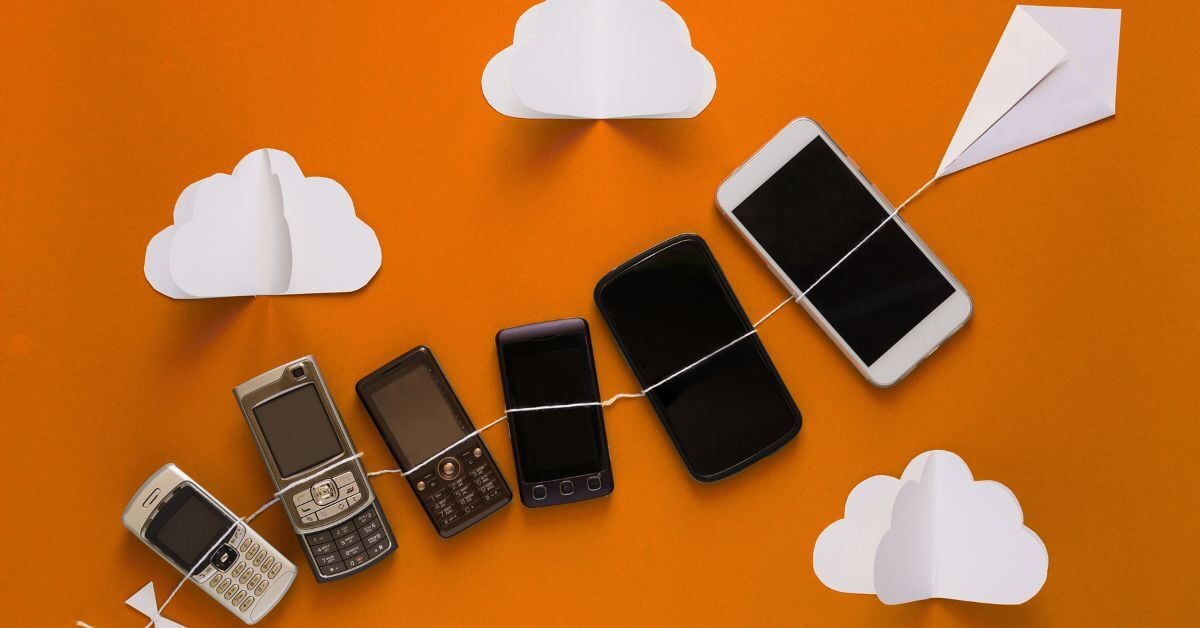
We’ve learned to live with these tools, and more importantly, to use them to our advantage. They help us move faster, increase capacity, and maintain flexibility. The reality is simple: if we don’t adapt, we’ll be left behind by those who do.
At Teneo, we work primarily in highly regulated fields like education and life sciences. And I can tell you with confidence: the world is nowhere near ready to take the human out of those particular loops.
.jpg?width=1200&height=628&name=human%20translator%20(1).jpg)
Compliance, accuracy, and nuance matter too much when you’re translating a patient consent form, a clinical trial report, or an educational assessment. AI can assist, but it can’t be trusted to shoulder that responsibility alone.
So for our business, AI is a tool. It’s like taking a calcium supplement: it may help with strong bones, but the you-powered strength training is by far the most effective.
Here’s what truly concerns me: the narrative that “AI will replace translators” is discouraging the next generation of linguists from entering the field.

Students of modern languages may choose different paths: teaching, perhaps, or entirely unrelated careers, because they’ve heard the future of translation is bleak.
That couldn’t be further from the truth. Humanity is producing content at an unprecedented rate, and even if much of it doesn’t require expert human translation, an enormous amount still does.
While we still enjoy a healthy number of translators for mainstream languages, the same can’t be said for many others. In some languages, only a handful of qualified professionals exist. Losing that talent would mean losing cultural and linguistic diversity that no algorithm can replicate.
If we allow misinformation to drive talented linguists away, we risk creating a world that is not only less connected, it is also less human.
AI learns from human-created content. The moment the scales tip and AI starts learning mostly from other AI-generated text, we’ll begin to lose something irreplaceable: emotional depth.
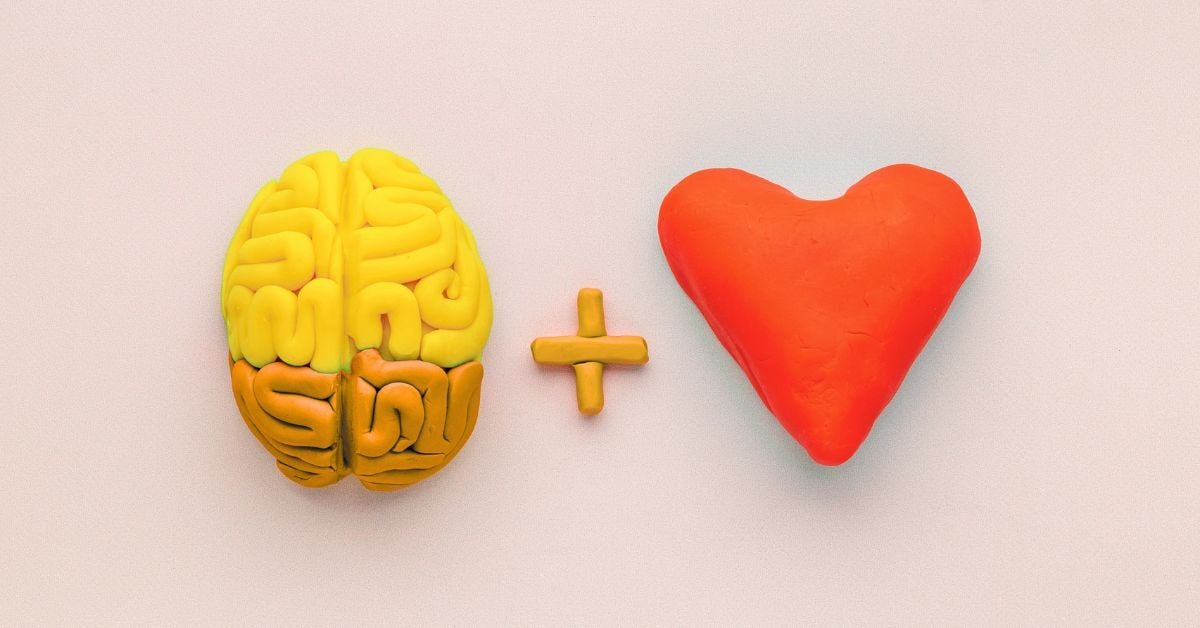
Have you ever felt a visceral reaction to hearing beautiful words? A line from a poem, a quote that moved you, a speech that gave you chills? That’s the human fingerprint on language.
And then there is context. It is not that long ago that an AI-generated translation returned the phrase “CAT scan” (as in a computerized tomography scan) with the word for “cat” (as in a feline) in it in the target language.
Without human emotions, context, nuance, and detail, the world of the written word will be duller and also dumber. And that’s a loss none of us should be willing to accept.
AI isn’t the villain in this story. It’s a catalyst that pushes us to redefine what we do and how we do it. But it’s up to us, the humans behind the words, to make sure language continues to connect, inspire, and move the world forward.